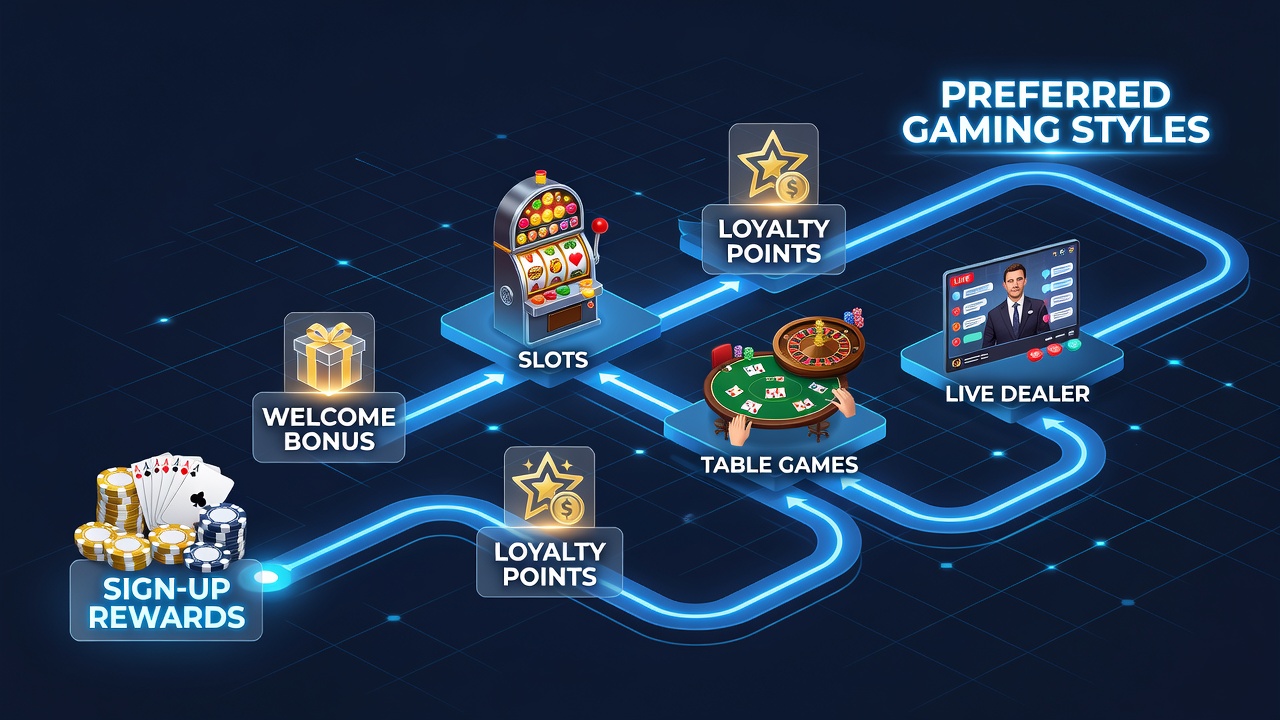
Tracing Player Paths: From Welcome Incentives to Individual Gaming Preferences in Digital Gambling
Players entering digital gambling platforms often begin with sign-up rewards that include deposit matches, free spins, and cashback offers, and these initial incentives set the stage for longer-term engagement patterns. Data from industry reports shows that welcome packages draw in new users at high rates, while subsequent interactions reveal shifts toward specific game types based on reward structures and personal trial experiences.
Initial Engagement Through Sign-Up Rewards
Sign-up rewards function as entry points that introduce users to platform mechanics without immediate financial commitment, and many operators structure these offers to highlight slots or table games during the first sessions. Research from regulatory bodies in multiple regions indicates that bonus funds tied to particular titles encourage early experimentation, yet players frequently migrate away from those featured games once the promotional period ends. Observers note that this migration occurs because individuals test various mechanics early on and then settle into preferences shaped by win rates, volatility levels, and entertainment value rather than the original incentive.
Figures from North American and European markets reveal that a significant portion of new accounts activate within the first week after registration, and those activations cluster around reward-eligible games. Yet the transition to sustained play depends on how well the platform matches emerging user interests with ongoing promotions and game libraries.
Data Patterns in Gaming Style Development
Studies conducted by academic and industry groups track how reward recipients evolve their choices over time, and results consistently show movement from bonus-driven slots toward hybrid preferences that incorporate live dealer options or strategy-based titles. One analysis of user logs from 2024 through mid-2026 demonstrates that participants who started with free spin bundles later diversified into roulette or blackjack when loyalty programs rewarded consistent table game activity. This progression appears tied to reward mechanics that scale with play volume rather than remaining fixed on initial categories.
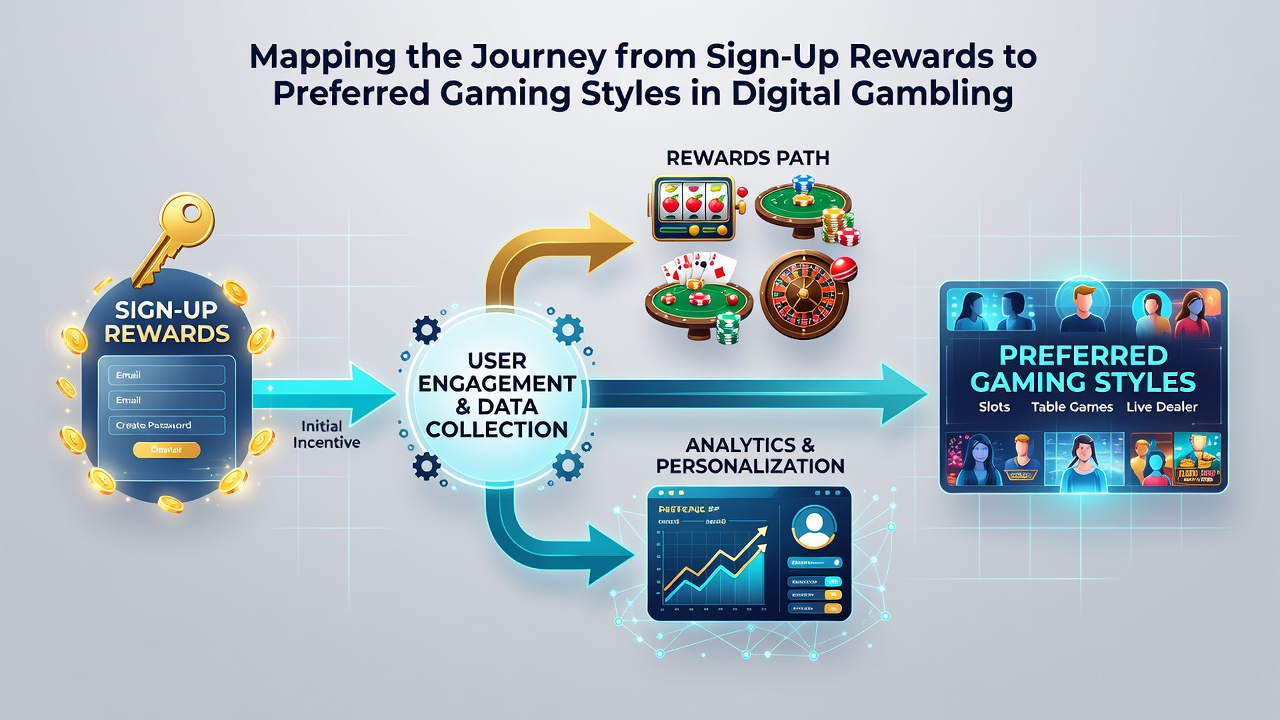
Canadian provincial data and reports from the Australian Gambling Research Centre both highlight similar trajectories, where early bonus users expand their session lengths and game variety after the first 30 to 60 days. Those who've studied these datasets point out that demographic factors such as age and prior gaming experience accelerate or slow the shift, with younger cohorts showing faster adoption of mobile-optimized live games.
Factors Influencing Preferred Styles
Platform design elements, including user interface personalization and targeted follow-up offers, play measurable roles in steering players toward sustained styles, and evidence from operator analytics confirms that customized recommendations based on early play history increase retention in chosen categories. Volatility preferences emerge clearly once users exhaust initial rewards, since high-volatility slots appeal to some while others gravitate toward lower-risk table games that allow longer sessions. Regulatory updates scheduled for implementation in July 2026 across several jurisdictions are expected to standardize disclosure of reward terms, which may further clarify how these incentives guide long-term choices without altering underlying player tendencies.
Take one cohort examined in a European trade association study where participants received progressive bonuses after their first month; those who received table-game-specific rewards showed higher continued engagement with strategy titles compared with peers who stayed on slot-focused incentives. Such examples illustrate that reward sequencing directly correlates with style consolidation rather than random selection.
Regional Variations and Broader Trends
Market reports from the American Gaming Association and independent research institutions document regional differences in how sign-up rewards translate into preferred styles, with North American users displaying stronger movement toward sports-adjacent casino games while Asian-Pacific markets emphasize electronic table variants. These patterns hold steady across multiple data collection periods, suggesting structural influences from local regulations and game availability rather than isolated promotional tactics.
What's interesting is how cross-platform play, particularly on mobile devices, accelerates the discovery of new styles once the initial reward phase concludes. Users often discover live dealer formats through seamless transitions from bonus slots, and this discovery feeds into more varied session compositions over subsequent months.
Conclusion
The journey from sign-up rewards to established gaming styles follows observable sequences driven by reward design, platform features, and individual trial outcomes, with data from diverse regulatory and academic sources confirming consistent progression patterns across markets. Continued monitoring through 2026 and beyond will clarify how evolving incentive structures interact with these established trajectories.