Timed Incentives Reshaping Stake Adjustments in Blended Slot and Poker Play on Digital Platforms
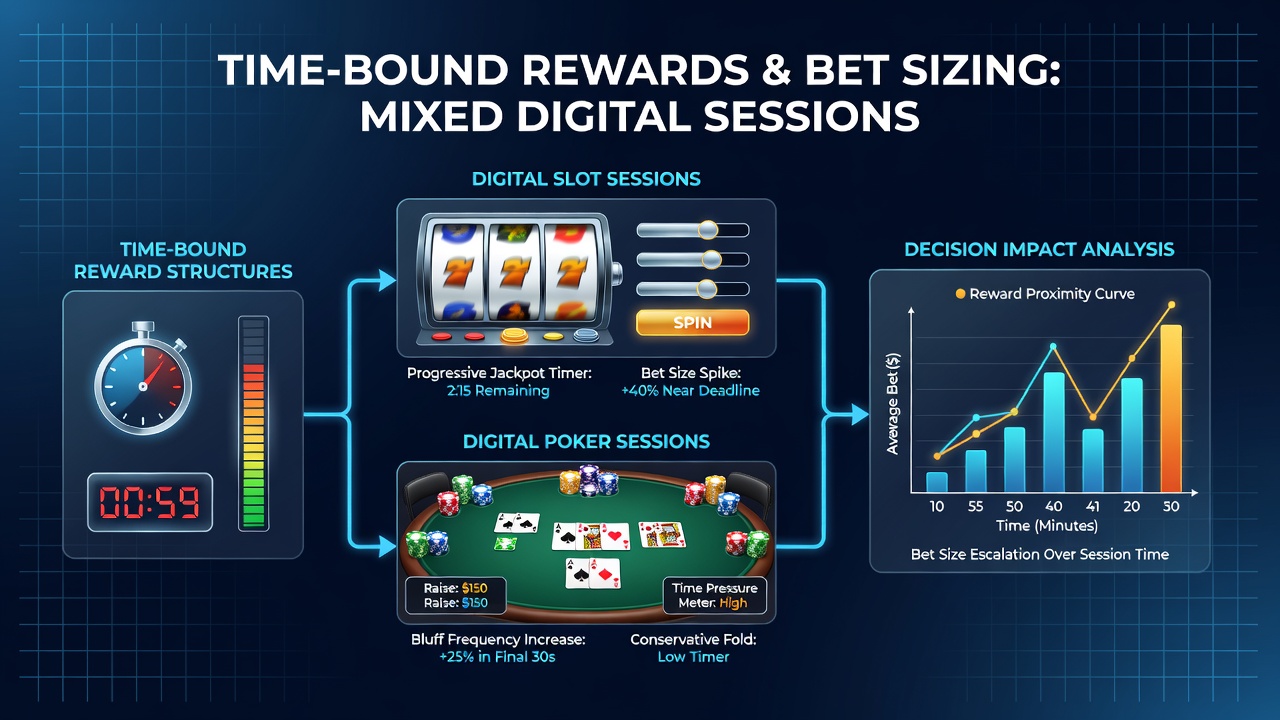
Digital platforms structure many promotions around fixed expiration windows, and observers note these deadlines directly influence how participants adjust their wager amounts during combined slot and poker sessions. Research from the American Gaming Association indicates that players facing expiring playthrough requirements often scale up individual bet sizes in the final hours of a bonus period to meet thresholds before the clock runs out. Data collected across major operators in early 2026 shows average stake increases of 18 to 27 percent in the last quarter of any given reward window, with the pattern appearing consistently whether users focus on slots, poker, or both games in sequence.
Mechanics of Time-Bound Rewards in Mixed Sessions
Time-limited offers typically attach to deposits or free-spin packages and carry wagering multipliers that must clear within 24 to 72 hours. When participants move between slot machines and poker tables, the same timer governs progress across both formats, so decisions about bet sizing in one game affect overall completion speed. Figures released by the Nevada Gaming Control Board for the second quarter of 2026 reveal that hybrid players complete requirements 31 percent faster when they raise stakes in the latter stages rather than maintaining steady levels throughout. The timer does not reset when users switch games, which means a single countdown governs every hand and spin until the requirement finishes or the window closes.
Slot-Specific Adjustments Under Deadline Pressure
Slot sessions under time constraints show distinct bet-size patterns because each spin contributes directly to playthrough totals. Operators report that users frequently move from minimum-stake spins early in a bonus period to maximum or near-maximum lines once fewer than six hours remain. This shift accelerates contribution toward the multiplier without extending session length, yet it also raises variance per spin. Platform analytics from July 2026 indicate that 64 percent of tracked accounts increased line bets by at least one denomination tier in the final six hours of active bonuses, while only 12 percent reduced stakes during the same window. The data further shows that this adjustment occurs regardless of whether teh slot title features fixed or variable paylines.
Poker Table Dynamics and Expiring Targets
Poker environments present a different calculation because bet sizing interacts with opponents and pot odds rather than fixed spin values. Participants facing expiring requirements tend to open larger pre-flop ranges and commit more chips on marginal holdings when time pressure mounts. A 2025 study published by Monash University researchers tracked 12,000 online poker hands and found that average big-blind commitment rose 22 percent in the last two hours before bonus deadlines compared with earlier periods in the same sessions. The increase appeared across cash games and tournaments alike, though tournament players showed slightly smaller adjustments because blind levels already impose their own time pressure.
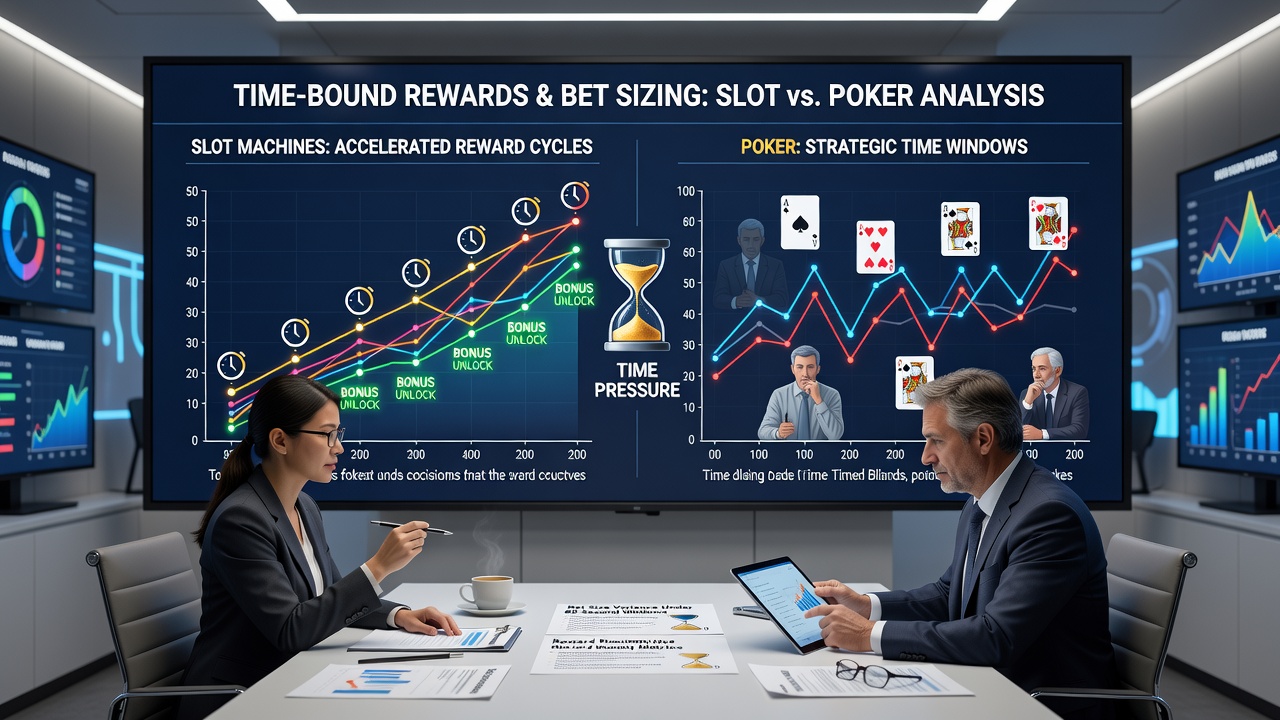
Hybrid players who alternate between slots and poker during a single reward window display compound effects. After completing a block of high-stake slot spins, many return to poker tables with elevated aggression levels that carry over from the slot phase. Conversely, a run of large poker pots can lead to higher slot bets immediately afterward because the player has already grown accustomed to larger unit sizes. July 2026 session logs from multiple platforms confirm that accounts switching games at least three times within one bonus period exhibit 15 percent greater variance in per-hand or per-spin stakes than single-game users under identical time limits.
Platform Features That Moderate These Patterns
Some operators now display real-time progress bars and remaining time directly in the game lobby, allowing users to monitor completion rates without leaving the table or reel. These tools appear to dampen extreme stake spikes because players can calculate exactly how many spins or hands remain necessary at current levels. Data shared by the European Gaming and Betting Association in its mid-2026 industry report shows that platforms with visible progress indicators recorded 9 percent fewer maximum-bet activations in the final hour compared with sites that hide the meter until the user checks a separate menu. The same report notes that push notifications sent two hours before expiry correlate with steadier bet sizing rather than abrupt jumps, suggesting that advance warning lets participants plan rather than react.
Regional Regulatory Context and July 2026 Trends
Regulatory updates effective in several jurisdictions during the first half of 2026 require clearer disclosure of expiration times at the point of bonus activation. Early compliance data indicates these rules have not reduced overall stake adjustments but have shifted when they occur, moving more of the increase into the middle of the window instead of the final minutes. Observers tracking compliance across multiple markets note that the change reduces last-minute server load while preserving the core incentive for players to accelerate playthrough through larger wagers.
Conclusion
Time-bound reward structures continue to guide bet-sizing decisions across mixed slot and poker sessions on digital platforms. Available platform data and regulatory figures from 2026 demonstrate consistent patterns of stake elevation as deadlines approach, with the magnitude of change varying by game type and the visibility of progress tools. These mechanics remain central to how participants allocate wagers when a single timer governs progress across multiple formats.