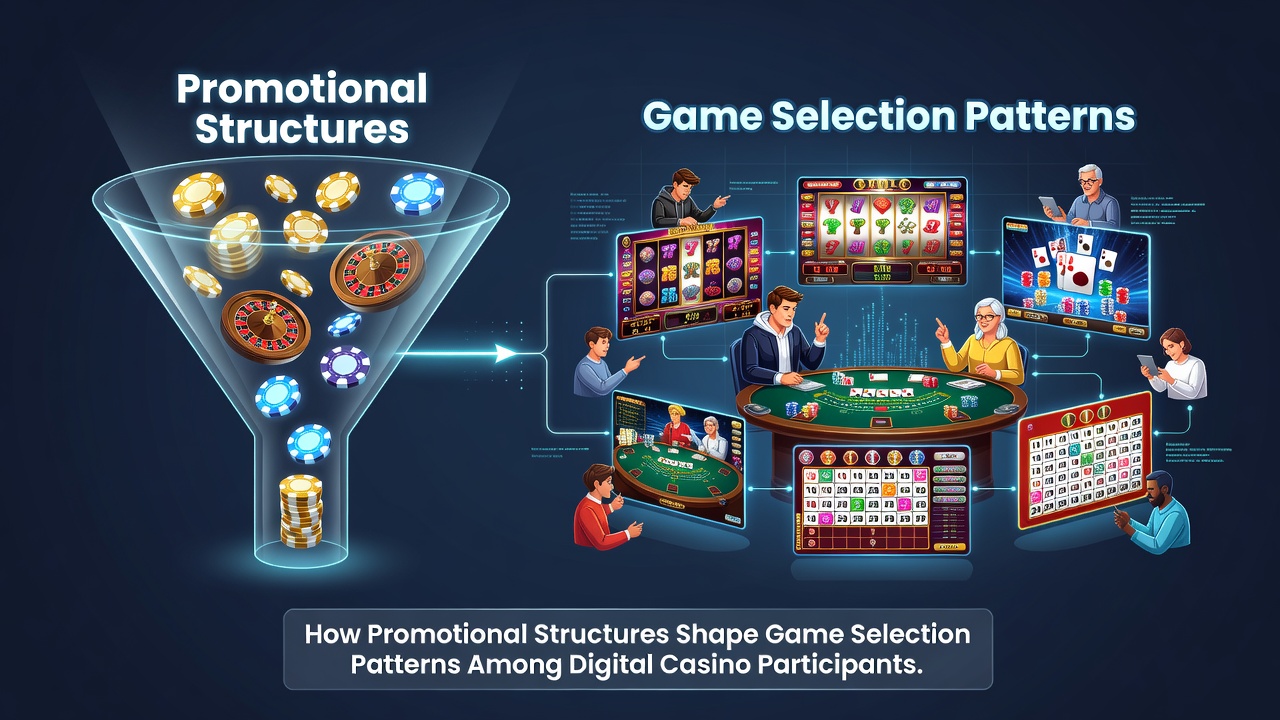
The Role of Promotional Frameworks in Shaping Digital Casino Game Selections
Promotional structures in digital casinos encompass bonus offers, loyalty rewards, and targeted incentives that operators deploy to guide participant behavior, and these mechanisms have measurable effects on which games users select during their sessions. Research from the American Gaming Association indicates that bonus multipliers attached to specific game types lead to higher engagement rates with those titles, while data from Australian regulatory reports show shifts in play patterns when free spin allocations favor slot machines over table games.
Types of Promotional Structures Commonly Deployed
Operators structure promotions around deposit matches, cashback percentages, and tiered loyalty points, each designed with rules that tie rewards to particular game categories. Deposit bonuses often carry wagering requirements that apply differently to slots versus roulette or blackjack, creating incentives for players to gravitate toward games with lower contribution percentages toward the playthrough. According to industry analyses from the European Gaming and Betting Association, these differentiated requirements steer selection patterns, particularly among users who monitor their progress toward bonus clearance in real time.
Loyalty programs add another layer where accumulated points unlock game-specific rewards, such as exclusive tournament entries on video poker variants or enhanced multipliers during slot sessions. Figures from Canadian provincial gaming commissions reveal that participants enrolled in such programs demonstrate consistent preferences for promoted titles over several months, with selection data logged through platform analytics.
Mechanisms Through Which Promotions Influence Choices
Game selection patterns emerge when promotional terms impose restrictions or advantages on certain categories, and players respond by adjusting their habits to maximize returns. A bonus that excludes table games from wagering contributions, for instance, directs activity toward slots where the full stake counts, and this dynamic appears across multiple operator platforms. Studies conducted by researchers at the University of Nevada, Las Vegas, have tracked these adjustments and found that selection rates for eligible games rise measurably during active promotion periods.
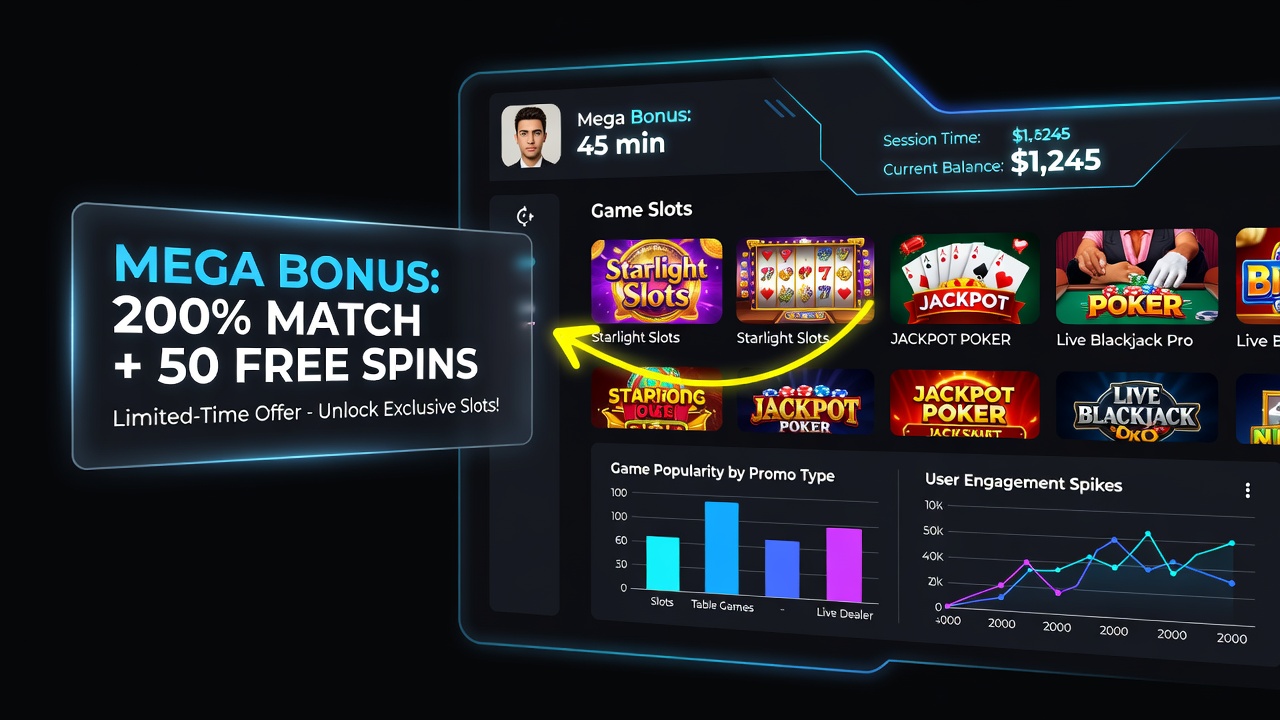
Time-limited offers further accelerate these shifts, as users prioritize games featured in the current campaign before the window closes. Data compiled in August 2026 from platform usage logs across several jurisdictions shows spikes in slot machine selections coinciding with seasonal free spin events, while table game traffic remains stable or declines relative to baseline periods.
Documented Patterns in Player Behavior
Observers tracking digital casino activity note that participants frequently sort game libraries by bonus eligibility rather than by personal preference alone, and this sorting behavior becomes evident in session data. When promotions highlight progressive jackpot slots with added multipliers, selection volumes for those specific titles increase, according to reports issued by the Malta Gaming Authority. Conversely, games without promotional ties experience reduced playtime among users focused on clearing bonus conditions.
Regional variations appear as well. In markets where regulators require transparent disclosure of contribution rates, players demonstrate more deliberate selection strategies, allocating time across multiple categories to optimize outcomes. Academic reviews from the University of Sydney's gambling research unit have examined these regional differences and found that disclosure rules correlate with broader game exploration outside heavily promoted options.
Long-Term Effects on Platform Ecosystems
Over extended periods, promotional structures contribute to sustained imbalances in game popularity, with certain titles maintaining elevated traffic due to recurring incentives. Platform operators adjust their libraries accordingly, adding more variants of high-engagement games while maintaining core offerings in less promoted areas. Evidence from aggregated industry reports suggests that these adjustments reflect observed selection data rather than random expansion.
Yet the patterns also create feedback loops where popular promoted games receive further incentives, reinforcing their dominance in user choices. Government statistics from the New Jersey Division of Gaming Enforcement document how monthly game performance rankings align closely with active promotional calendars, providing a measurable link between structure and selection.
Conclusion
Promotional frameworks continue to direct game selection patterns through clear rules on eligibility and contribution, and available data from multiple regulatory and academic sources confirm these directional effects across different markets. As platforms refine their incentive models in response to usage analytics, the relationship between promotions and player choices remains a central factor in how digital casino environments operate.