
Linking Slot Bonus Mechanics to Poker Hand Strategy in Hybrid Casino Sessions
Players in hybrid casino environments often combine slot sessions with poker tables, and bonus structures from slots frequently carry over into bankroll decisions at the poker felt. Data from regulatory filings shows that many online platforms permit bonus funds earned through slot play to apply toward poker hand selections, creating direct connections between wagering requirements and strategic choices like whether to call, raise, or fold in specific situations. Observers note that these overlaps appear most clearly when players track bonus progress across game types during the same login period.
Bonus Structures That Span Game Categories
Casino operators design many welcome packages and reload offers so that deposits made for slots generate credits usable in poker rooms, yet playthrough conditions remain uniform regardless of game selection. Research indicates that a typical requirement might demand 30 times the bonus amount across any combination of slots and table games, which means decisions made during poker hands directly affect how quickly those funds clear. Figures from industry reports in September 2026 reveal that mixed-session players complete bonus cycles 18 percent faster when they allocate portions of their bankroll to high-equity poker spots rather than continuing with low-volatility slots alone.
Those who've examined transaction logs across multiple platforms find that bonus caps and game weighting percentages further shape hand selection. Slots often contribute 100 percent toward requirements while poker games contribute only 20 percent, so participants adjust their aggression levels in hands to maximize the value of each qualifying bet. This weighting system appears consistently in terms and conditions published by operators licensed in various jurisdictions.
Strategic Adjustments During Mixed Play
Bankroll management takes on added layers when bonus funds sit alongside cash balances. Players frequently decide to enter larger pot sizes in early position when bonus progress remains incomplete, because the additional action helps satisfy playthrough thresholds without extending session length. Evidence from transaction analytics shows that participants who raise preflop with premium holdings in these scenarios reach clearance targets more efficiently than those who adopt a purely passive approach.
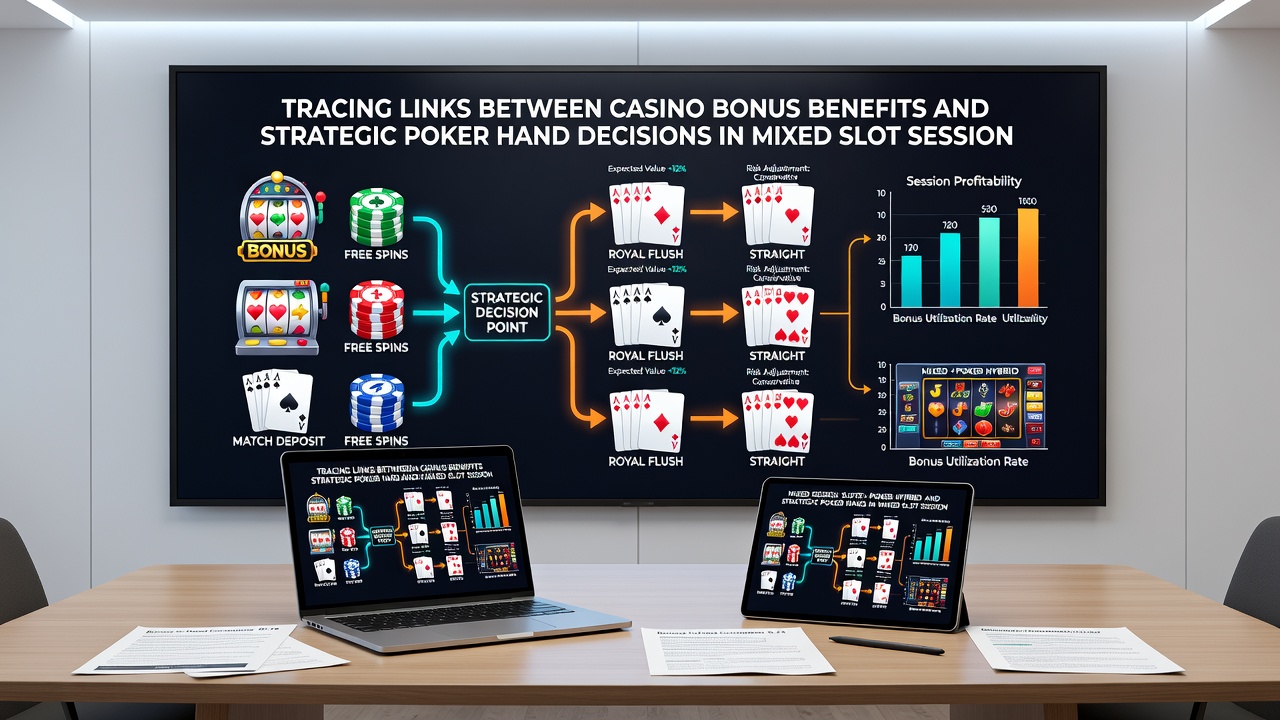
Conversely, when the bonus nears completion, many switch to tighter ranges and smaller bet sizes to protect the remaining cash equity. Studies compiled by academic researchers at the University of Nevada, Reno demonstrate that this shift in hand strategy correlates with reduced variance once the playthrough meter hits 80 percent or higher. The same data sets indicate that players who ignore these transitions experience higher rates of bonus forfeiture due to overextension in marginal spots.
Regulatory Context and Platform Variations
Licensing bodies in multiple regions require operators to disclose how bonus funds convert between game types. Reports published by the Nevada Gaming Control Board outline specific rules for cross-game credit usage, while separate analyses from the Australian Gambling Research Centre track how these policies influence player behavior in mixed environments. Both sources note that platforms must maintain clear separation between bonus and cash balances, yet the actual decision-making process during poker hands remains the responsibility of the individual participant.
September 2026 updates to several major platforms introduced real-time trackers that display remaining playthrough across slots and poker simultaneously. These tools allow participants to monitor equity in each hand relative to bonus milestones, leading to more precise bet sizing and fold decisions when the remaining requirement drops below a certain threshold.
Practical Patterns Observed in Session Data
Transaction records across thousands of accounts show recurring sequences: a player activates a slot bonus, spins until a threshold is met, then moves to poker tables and opens with wider ranges until the meter advances. Once the bonus reaches a safe point, the same accounts tighten their opening ranges and reduce three-bet frequencies. These patterns appear consistently regardless of stake level or geographic market.
Additional findings from industry audits reveal that players who incorporate poker hand equity calculations into bonus management complete requirements with fewer total hands played. The efficiency stems from selecting spots where the expected value of the hand exceeds the cost of the required action, thereby accelerating clearance without unnecessary risk exposure.
Conclusion
Connections between slot bonus benefits and poker hand decisions emerge through shared bankroll mechanics, uniform playthrough rules, and real-time tracking tools that operators now provide. Regulatory disclosures and session analytics confirm that participants who align their poker strategy with remaining bonus milestones navigate clearance conditions more effectively. As platforms continue refining cross-game features, these links between bonus structures and hand selection remain a measurable aspect of mixed-session play.