Allocating Leisure Time: How Casino Entry Incentives Shape Choices Between Slots and Poker
Entry incentives such as welcome packages and deposit matches continue to influence how individuals divide their available leisure hours across different gaming formats, and observers note that reel spins often compete directly with hand rankings for that limited time. Data from industry reports shows players frequently begin sessions with slots because these games require minimal preparation, yet many shift toward poker formats once initial bonus conditions have been met. Research indicates that the structure of an incentive plays a measurable role in this transition, since wagering requirements attached to spins can extend session lengths on machines while poker tables or online variants allow skill elements to affect overall time spent.
Entry Incentives and Initial Time Commitments
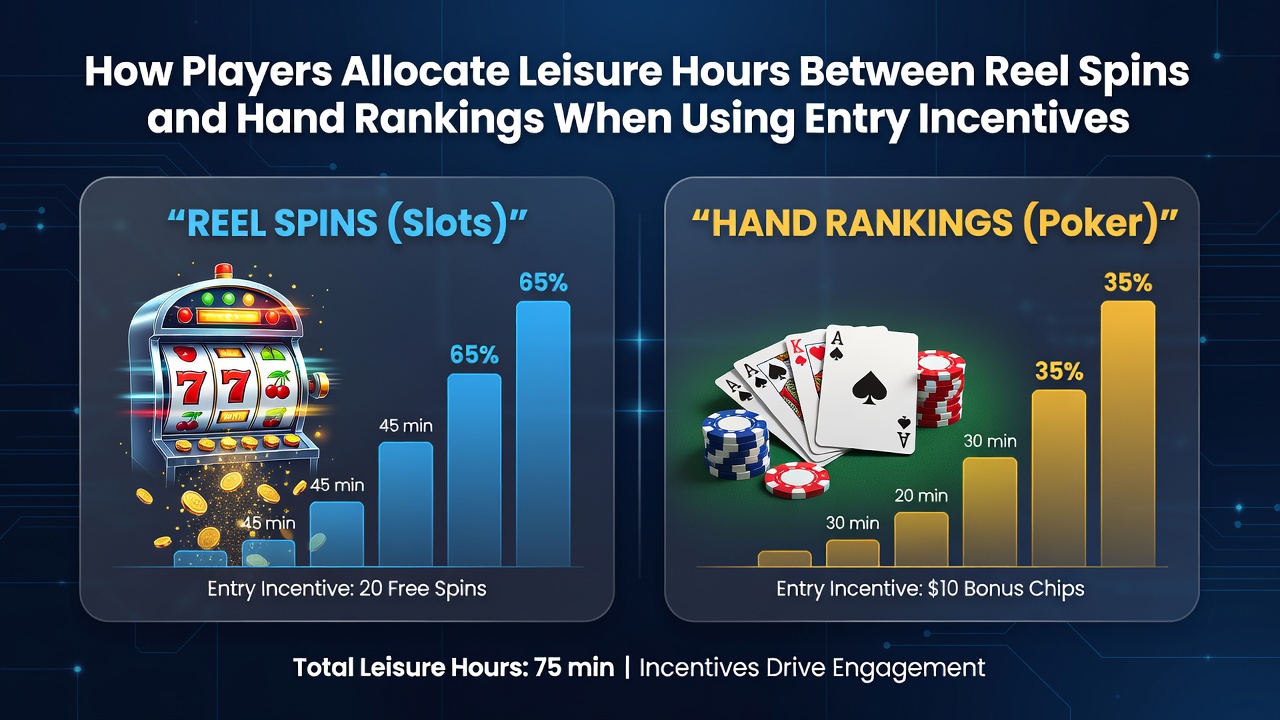
Players who receive entry incentives typically allocate the first portion of their leisure hours to games that satisfy playthrough rules quickly, and slots fulfill this need because each spin registers progress toward completion. Studies conducted by academic institutions including the University of Nevada Las Vegas have tracked session durations and found that bonus users spend an average of 45 to 60 minutes on reel-based titles before exploring other options. In contrast, hand-ranking activities such as poker demand familiarity with odds and strategy, which leads some participants to reserve those formats for later stages once the incentive obligations have been cleared. Figures released by the Nevada Gaming Control Board in early 2026 confirm that bonus-driven traffic remains concentrated on slots during the opening hours of a promotional period, after which activity diversifies.
What's interesting is how the value of the incentive itself affects this split. Larger deposit matches encourage longer overall sessions, yet the distribution between spins and rankings stays consistent across multiple data sets. Those who study player logs observe that individuals often treat the first hour as a compliance phase focused on reels, then transition to poker when remaining leisure time allows for deeper engagement with ranking decisions. This pattern holds whether participants use desktop platforms or mobile applications.
Observed Patterns in Leisure Hour Division
Analyses of account activity reveal that players divide leisure hours in ratios that reflect both game accessibility and incentive conditions. Slots receive the majority of early minutes because outcomes occur rapidly and require no opponent interaction, while poker sessions extend further into available time once participants feel confident applying hand rankings. A report compiled by the Canadian Gaming Association noted that users with active entry incentives logged roughly 65 percent of their first-day minutes on reel spins during monitored periods in 2025, dropping to 40 percent on subsequent days as focus shifted. This movement occurs because poker offers repeated decision points that reward accumulated knowledge, creating a natural progression for those who have already satisfied basic wagering targets.
Turns out the timing of incentive expiration also matters. When bonuses carry shorter validity windows, individuals compress more reel activity into fewer hours and reduce poker involvement accordingly. Longer windows permit a steadier balance, allowing players to intersperse hand-ranking sessions without pressure. Government statistics from Australia’s National Consumer Commission, updated through June 2026, show similar shifts among tracked accounts, confirming that incentive duration directly correlates with how leisure hours are portioned between the two formats.
Factors That Influence Format Selection
Several measurable elements guide how participants allocate remaining leisure hours once entry incentives have been activated. Game volatility on slots can accelerate or slow progress toward requirements, which in turn affects the moment when players begin considering poker. Hand-ranking formats introduce an additional layer because each decision carries strategic weight that extends session length naturally. Observers have documented that participants who possess prior poker experience transition earlier, often within the first 30 minutes of bonus play, whereas novices extend reel time to build familiarity before switching.
Device type introduces another variable. Mobile sessions tend to favor shorter reel bursts interspersed with quick ranking checks, while desktop environments support extended poker tables. Research published by the European Gaming Institute indicates these device-based differences persist across incentive types and geographic regions, suggesting the allocation pattern stems from interface convenience rather than promotional design alone. Players who combine both formats within a single session frequently start and end with spins, inserting poker intervals during peak concentration periods.
Regional Data and Emerging Trends
Comparative figures from multiple jurisdictions illustrate consistent yet regionally nuanced behaviors. North American markets report higher initial slot allocation under entry incentives, whereas European and Australian data show slightly earlier movement toward poker once basic requirements are met. The differences appear tied to regulatory frameworks that shape incentive structures rather than player preference alone. As of June 2026, updated reporting from the Australian Communications and Media Authority highlights a modest increase in cross-format sessions among accounts that received tiered bonuses, indicating players are refining their hour allocation strategies in response to more complex promotional offers.
Industry organizations continue to monitor these shifts because they affect platform design and retention metrics. Those who analyze aggregated logs note that players who balance both formats within incentive periods demonstrate longer overall engagement than those who remain exclusively on reels or rankings. This balance emerges organically as individuals discover which game type aligns with their remaining leisure time after initial bonus tasks conclude.
Conclusion
Entry incentives function as a starting mechanism that guides how leisure hours are first directed toward reel spins before many participants incorporate hand-ranking activities. Available data from regulatory bodies and academic sources demonstrates that session timing, incentive duration, and prior experience collectively determine the eventual split between formats. Patterns observed through 2026 indicate these allocation habits remain stable even as promotional structures evolve, providing a factual basis for understanding player behavior across different gaming environments.